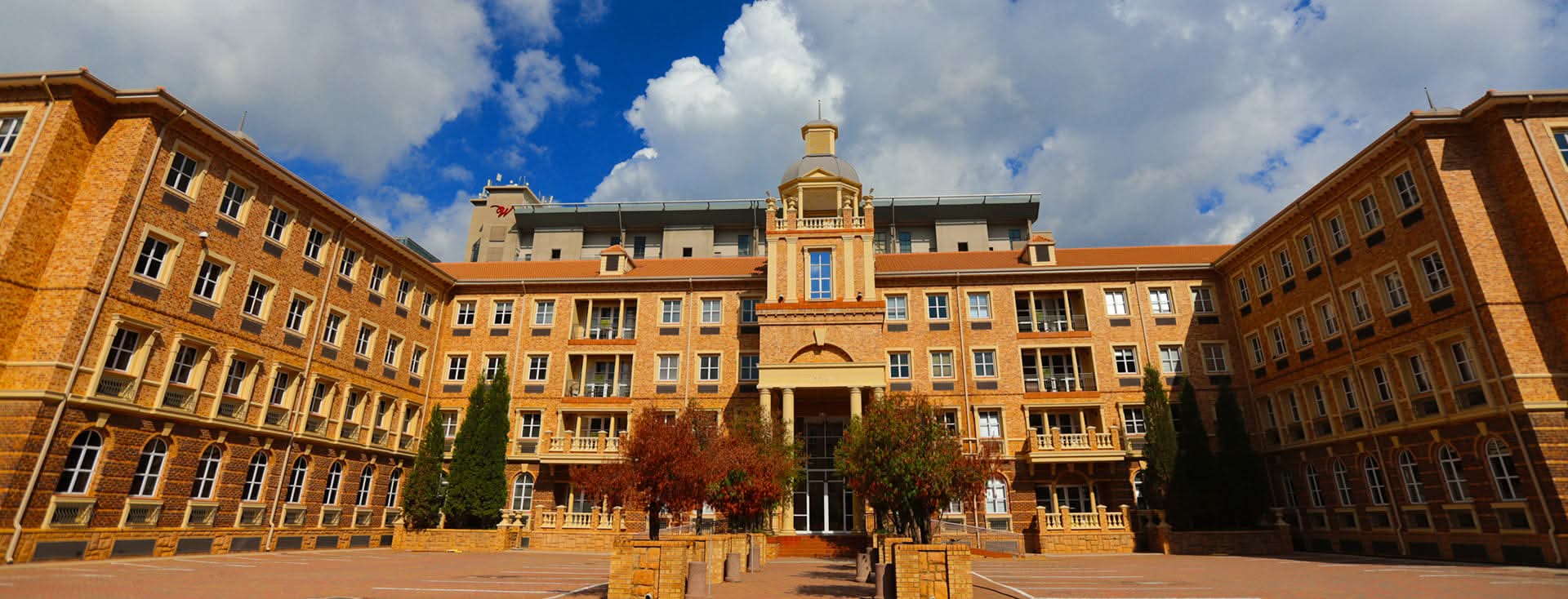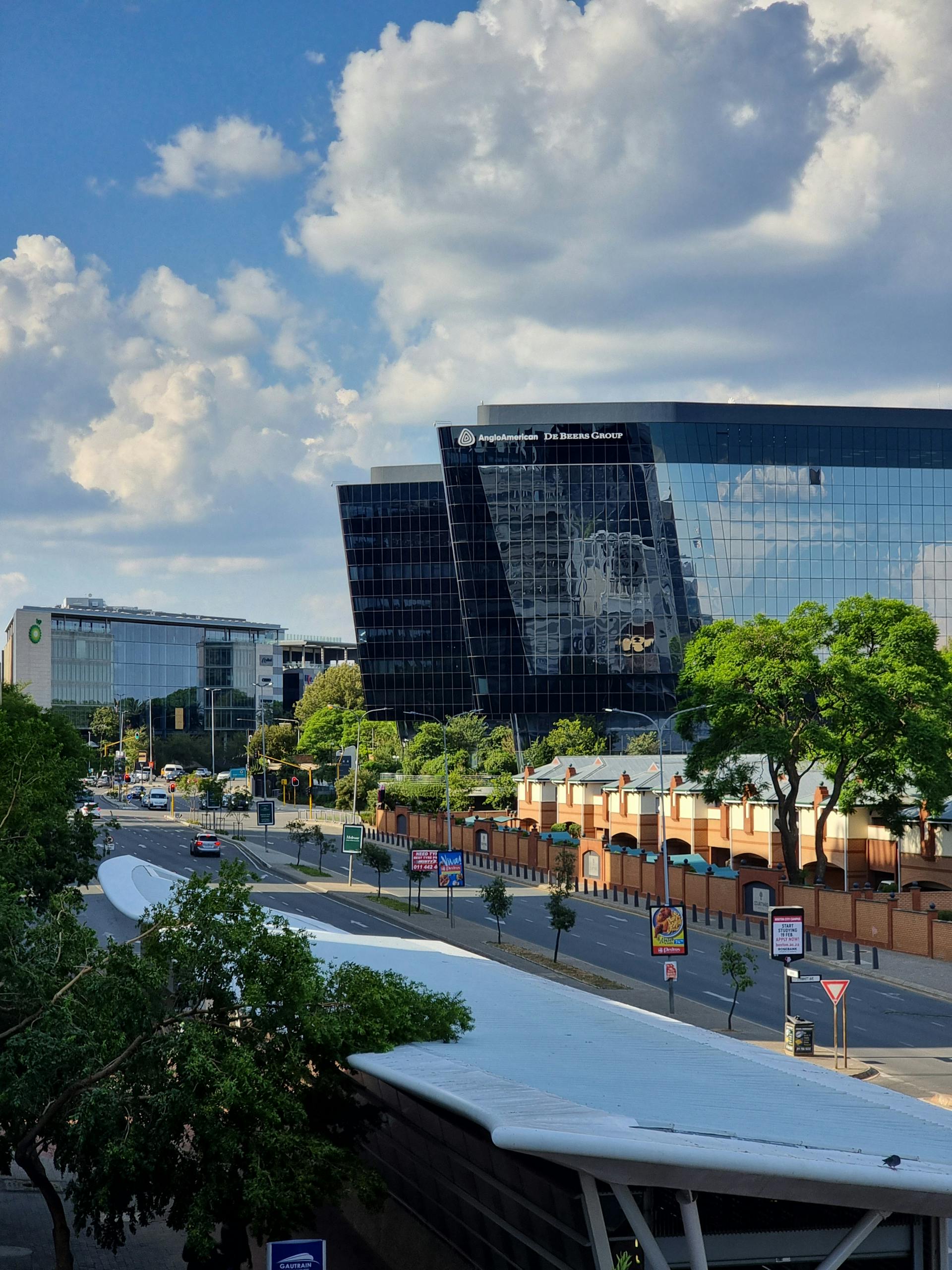
The commercial property landscape is constantly evolving. Businesses today operate in a world shaped by technological advancement, economic shifts, changing consumer expectations, and new workplace trends. As industries continue to transform, commercial developments must evolve alongside them to remain relevant, competitive, and valuable.
Modern commercial developments are no longer simply about providing office or retail space. They are now designed to create flexible, future-focused environments that support long-term business success. Developers who understand how markets change are able to create spaces that attract quality tenants, encourage growth, and maintain strong investment value over time.
At TopToyo Investments, adaptability is seen as one of the most important elements of successful commercial property development.
The Importance of Flexibility in Commercial Space
One of the biggest shifts in commercial real estate has been the demand for flexibility. Businesses are looking for spaces that can evolve with their operational needs instead of fixed environments that quickly become outdated.
Modern tenants often require:
- Flexible floor plans
- Multi-purpose spaces
- Scalable office layouts
- Collaborative work areas
- Hybrid working capabilities
- Improved technology integration
Commercial developments that are designed with flexibility in mind can accommodate a wider variety of tenants and industries. This adaptability helps properties remain attractive even as market conditions change.
For example, office spaces that were originally designed for traditional corporate use can now be adapted into medical consulting suites, co-working spaces, wellness centres, or client-focused environments depending on demand.
Responding to Changes in Workplace Culture
The way people work has changed significantly over the past few years. Businesses are increasingly prioritising employee wellbeing, collaboration, and work-life balance. As a result, commercial developments are being designed to support healthier and more productive working environments.
Modern developments now focus on:
- Natural lighting
- Open and comfortable layouts
- Outdoor spaces
- Improved ventilation
- Accessible locations
- Wellness-focused amenities
These features not only improve the daily experience for employees and visitors but also help businesses attract and retain talent.
Commercial property is no longer just about square meters. It is about creating environments where people genuinely want to work, visit, and engage.
The Rise of Mixed-Use and Multi-Functional Developments
Another way commercial developments adapt to changing markets is through mixed-use functionality. Developments that combine office, retail, hospitality, medical, and lifestyle elements create more dynamic environments that serve multiple needs in one location.
Mixed-use developments offer several advantages:
- Increased convenience for tenants and visitors
- Better use of available space
- Stronger foot traffic
- Greater long-term sustainability
- Diversified income opportunities
This type of development also creates resilience during market fluctuations. If one sector experiences slower demand, other sectors within the development may continue performing strongly.
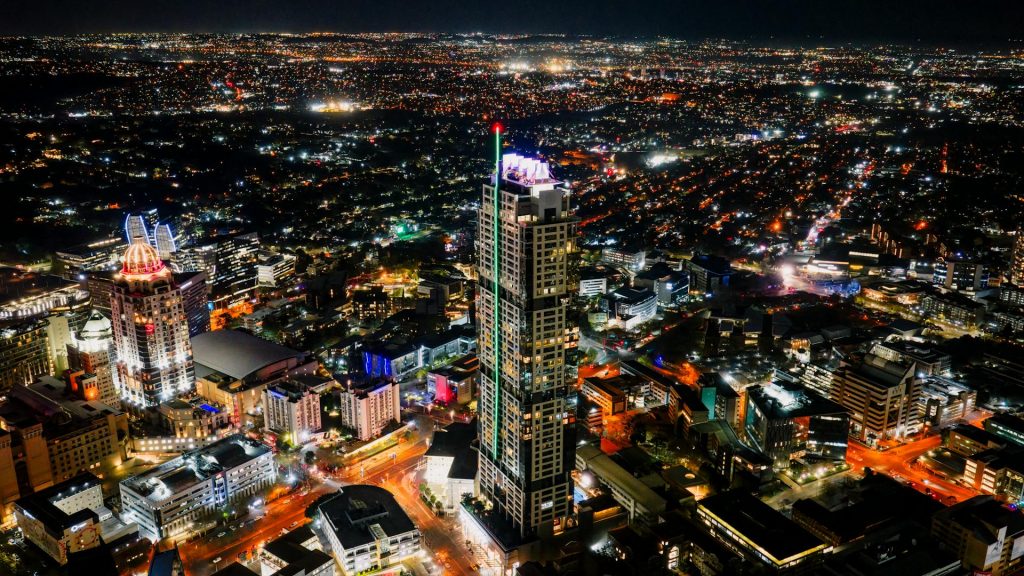
In high-demand business areas such as Sandton, mixed-use developments are becoming increasingly valuable because they align with modern urban lifestyles where convenience and accessibility are essential.
Technology Is Shaping the Future of Commercial Property
Technology has become a major driver of change in commercial developments. Businesses now expect modern infrastructure that supports digital operations, security, communication, and efficiency.
Today’s commercial spaces often include:
- Smart access control systems
- High-speed connectivity
- Energy-efficient systems
- Digital advertising integration
- Automated building management
- Advanced security monitoring
Developments that invest in technology are better positioned to meet the expectations of modern businesses while also improving operational efficiency.
Technology also helps developers respond more quickly to changing tenant needs and market conditions.
Sustainability and Long-Term Thinking
Sustainability is no longer viewed as an optional feature in commercial property development. Businesses and investors are increasingly prioritising environmentally responsible spaces that support long-term operational efficiency.
Commercial developments are adapting by incorporating:
- Energy-efficient lighting
- Water-saving systems
- Sustainable materials
- Green building practices
- Reduced operational waste
- Improved environmental performance
Sustainable developments often experience stronger long-term value because they reduce operating costs and align with the expectations of modern tenants and investors.
Developers who think long-term are better equipped to create properties that remain competitive for years to come.
Healthcare and Specialized Commercial Spaces
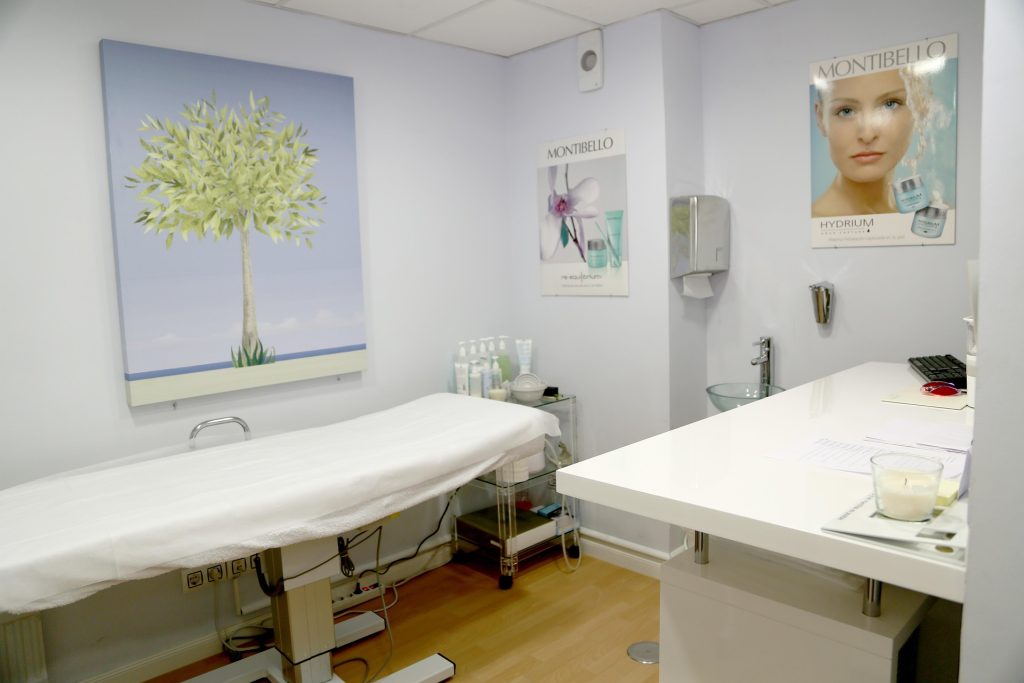
The growing demand for healthcare infrastructure has also influenced the evolution of commercial developments. Medical consulting suites and healthcare-focused environments are becoming increasingly common within premium commercial spaces.
Healthcare professionals now look for:
- Convenient access for patients
- Professional and modern environments
- Flexible layouts
- Comfortable waiting areas
- Strong security and accessibility
As market demand shifts toward integrated healthcare environments, commercial developments are adapting to support medical specialists, wellness providers, and healthcare-related services.
This trend reflects a broader movement toward specialized commercial environments that are tailored to the needs of specific industries.
Strong Tenant Relationships Matter More Than Ever
Successful commercial developments are not built solely on physical infrastructure. Long-term success also depends on strong relationships between property owners, management teams, and tenants.
Developments that adapt successfully to changing markets often focus heavily on:
- Responsive communication
- High service standards
- Ongoing maintenance
- Tenant support
- Operational efficiency
Businesses want to feel supported within the environments they operate in. A well-managed property creates confidence, stability, and long-term tenant satisfaction.
Adapting to Economic Change
Economic conditions naturally influence commercial property markets. Interest rates, business growth, industry trends, and consumer spending patterns all affect tenant demand.
Developers who understand these cycles are better able to:
- Adjust leasing strategies
- Reposition spaces
- Upgrade facilities
- Diversify tenant mixes
- Create future-focused developments
Adaptability allows commercial developments to remain competitive even during uncertain market conditions.
Rather than reacting only when challenges arise, successful developers continuously monitor trends and proactively prepare for future opportunities.
The Future of Commercial Developments
The future of commercial property belongs to developments that are flexible, innovative, and people-focused. Businesses are no longer looking for generic office space. They are looking for environments that support growth, wellbeing, professionalism, and long-term success.
Commercial developments that can evolve alongside changing market demands will continue attracting quality tenants and maintaining strong investment value.
At TopToyo Investments, the focus remains on creating premium commercial environments that combine strategic positioning, adaptability, and long-term vision. By understanding how markets evolve, commercial developments can continue delivering value for businesses, investors, and communities alike